
Help! I'm neurodivergent and in a heatwave
When a heatwave arrives, it’s all we can talk about and of course, many people find it uncomfortable. With this week being a Red alert, it’s something you need to take seriously.
But for neurodivergent people like myself, it can be much more than that.
Heat can increase sensory overwhelm, disrupt routines, affect sleep, make emotional regulation more difficult and leave us feeling exhausted before the day has even begun.
Many autistic and ADHD people already work hard to manage sensory input and cognitive load. Add soaring temperatures into the mix and it can feel like everything becomes that little bit harder.
For some neurodivergent people, the heat isn't just physically uncomfortable. Sticky skin, sweating, certain fabrics, bright sunlight, noise from fans, disrupted sleep and changes to routine can all increase sensory overload and make everyday tasks feel much harder.
Beware if you take medication
What many people don't realise is that some medications can make coping with heat even more challenging.
Certain ADHD medications, antidepressants and other commonly prescribed medications including acne treatments and painkillers like ibuprofen can affect how the body regulates temperature, how much we sweat, our appetite and even our awareness of thirst (called interoception). This can increase the risk of dehydration and overheating, particularly during hot weather.
If you take medication, it's worth checking the information leaflet that came with it or speaking to your GP or pharmacist if you're unsure how heat may affect you.
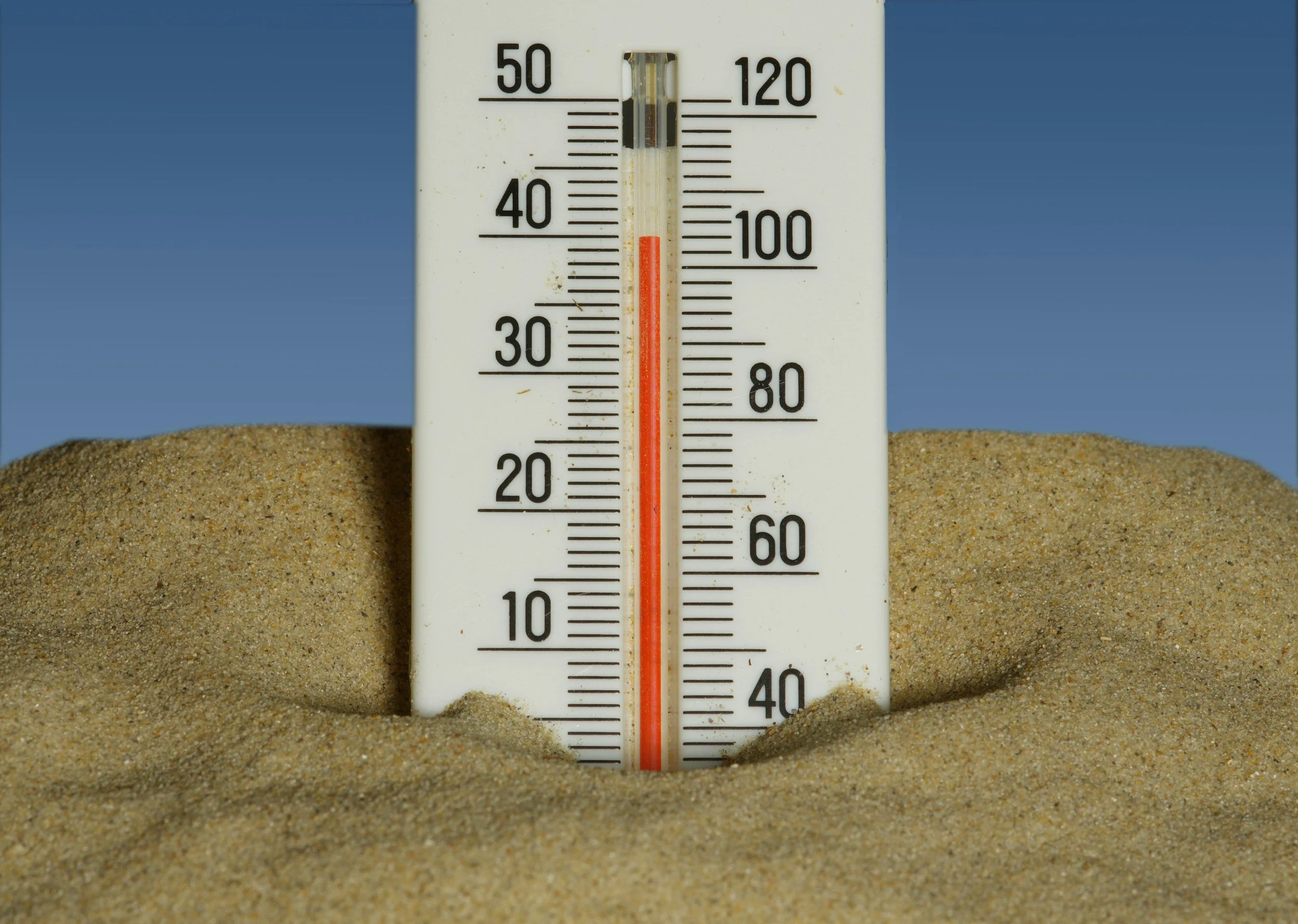
Practical Tips for Staying Cool During a Heatwave
We know it’s going to be hot, so what can we ACTUALLY do to keep cool?
Here are my top tips for surviving the heatwave.
Drink water regularly, even if you don't feel thirsty.
Set reminders to drink if you have ADHD and tend to hyperfocus.
Keep a water bottle within sight and reach.
Run cool water over your wrists and hands to help lower your body temperature.
Take a cool or lukewarm shower and then stand in front of a fan for a quick cooling effect.
Use cooling towels, cold flannels, ice packs, or a handheld fan if they're sensory-friendly for you.
Wear lightweight, comfortable clothing.
Close curtains and blinds during the hottest part of the day to help keep rooms cooler.
Plan demanding tasks for cooler mornings or evenings where possible.
Make sure you're eating regularly. Hot weather can reduce appetite, but skipping meals can leave you feeling shaky, dizzy, lightheaded, or worsen symptoms if you're prone to low blood pressure.
If you're taking ADHD medication, antidepressants, or other prescribed medication, pay extra attention to hydration and regular meals.
Prioritise sleep by keeping bedrooms cool and reducing stimulation before bed.
Give Yourself Permission to Slow Down
Many neurodivergent people already spend a huge amount of energy navigating environments that weren't designed with them in mind. During a heatwave, that energy drain can be even greater.
If you're finding it harder to concentrate, feeling more irritable, emotionally sensitive, overwhelmed or exhausted than usual, it doesn't mean you're failing. Your brain and body may simply be working much harder to cope with the heat.
This is a time to lower expectations where you can, take more breaks, ask for support if you need it and be a kind to yourself (something I am always telling my coaching clients to do!).
Sometimes getting through a heatwave is achievement enough.
Disclaimer: Always seek advice from your GP, pharmacist or prescribing clinician regarding your individual medication and circumstances.