
Executive Function : Why Simple Tasks Can Feel So Hard
One of the things I hear most often from the people I coach is, "I know exactly what I need to do. I just can't seem to do it." Whether it's replying to an email, making a phone call, booking an appointment or finally tackling the pile of washing that's been staring at them for a week, they know the task needs doing. They often want to do it. They just can't seem to get started.
I know that feeling because I've lived it too.
Before I was diagnosed with ADHD at 43, I spent years wondering why some of the simplest tasks felt disproportionately difficult. At the same time, I was juggling a busy career in PR, raising a family (my children are neurodivergent, which adds another layer) and somehow managing to keep lots of plates spinning.
It didn't make any sense. How could I be capable of so much and yet feel completely stuck over something that looked so small? The answer wasn't laziness or a lack of motivation. It was executive function.
What is executive function?
Executive functions are the mental skills that help us manage everyday life. They allow us to plan, organise, prioritise, get started on tasks, regulate our emotions, switch our attention, remember information and finish what we've started. For many people these things happen in the background without much thought. For many people with ADHD like me, and for lots of autistic people too, they take far more mental effort.
One of the ideas that has helped me make sense of my own ADHD comes from Dr Russell Barkley, one of the world's leading ADHD researchers. He suggests that people with ADHD can experience around a 30-40% delay in the development of executive functioning skills. It's a useful way of understanding why someone may be highly intelligent, experienced and knowledgeable, yet still find planning, prioritising, time management or emotional regulation much harder than their peers.
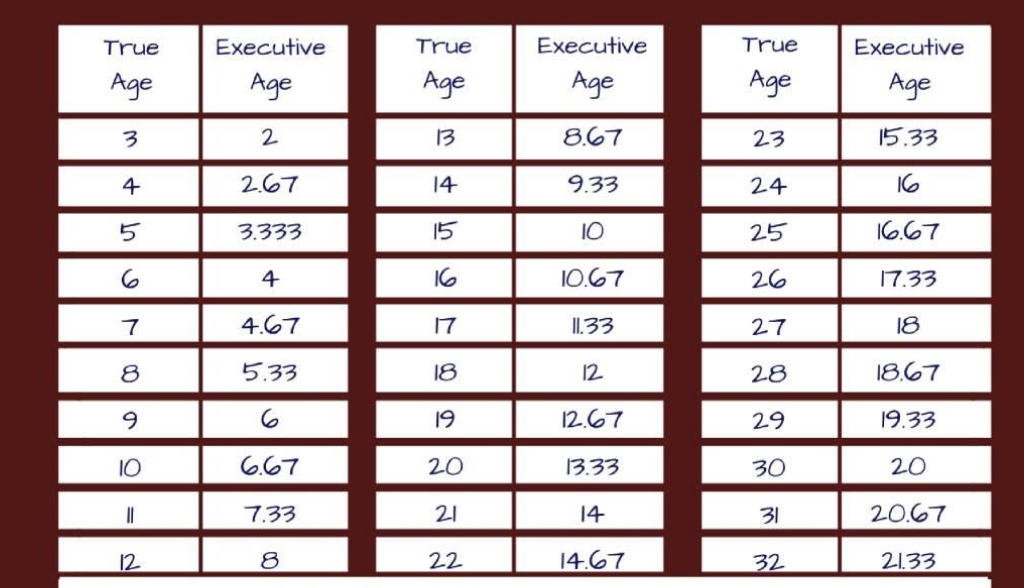
For example, if you're working with a 30-year-old employee with ADHD, Dr Barkley's theory suggests that some aspects of their executive functioning may be more comparable to someone in their early twenties. That doesn't mean they're less capable, less intelligent or less experienced. It simply means some of the brain's management systems have developed differently.
Understanding this can completely change the conversation at work.
Instead of asking, "Why aren't they doing it?" or simply saying, "Can I help?" try asking, "Which parts of your role do you find most challenging?" or "Which tasks do you find the hardest to get started on?" Most people will instinctively say they're fine when asked if they need help. Asking about their challenges instead opens the door to a much more meaningful conversation about what adjustments or support might actually make a difference. It’s worth remembering that they may not know what support or help they need. So if you come up with some options, that’s a great start.
Why executive function can feel so frustrating
Executive function challenges have nothing to do with intelligence, capability or how much you care about something. In fact, some of the brightest, most creative and successful people I know struggle with them every single day.
One of the questions I'm asked all the time is, "How can I organise a huge work project but not manage to make one phone call?" It's such a common experience because executive function isn't an all-or-nothing skill. Our brains respond differently depending on interest, urgency, energy levels, stress and how overwhelming something feels.
You might spend hours hyperfocused on a project you love, then find yourself unable to start an email that would only take two minutes to write. From the outside, that looks inconsistent. From the inside, it can feel incredibly confusing, especially when you know you're capable of doing it.
It's about far more than organisation
When people hear the words executive function, they often think about organisation, but it affects so much more than having a tidy desk or remembering appointments.
Executive function challenges can make it difficult to prioritise because everything feels equally important. You might underestimate how long tasks will take, constantly lose track of time (hello time blindness), interrupt people because your brain races ahead, forget why you walked into a room, lose your train of thought halfway through a conversation or become emotionally overwhelmed by what seems like a relatively small problem. These are all examples of executive functions working much harder than most people realise.
Executive function and autism
For autistic people, executive function challenges can show up in slightly different ways. Switching between tasks may feel overwhelming, unexpected changes can completely derail the day and having too many decisions to make at once can leave someone feeling frozen.
If you're AuDHD, where autism and ADHD overlap (some say that 70% of autistic people also have ADHD), it can sometimes feel as though one part of your brain is craving routine, certainty and predictability, while another is desperately seeking novelty, stimulation and excitement. It can be exhausting trying to satisfy both at the same time.
"Just try harder"
This is one of the reasons why comments like, "You just need to try harder," can be so damaging.
Most of the ADHD and autistic people I meet have spent years trying harder. They've bought the planners, downloaded the apps, colour-coded their calendars and promised themselves that this week will finally be different.
The problem usually isn't a lack of effort. It's trying to use strategies that weren't designed for the way their brain works.

Why ADHD coaching is different
That's also why neurodiversity coaching isn't about teaching someone to become more organised. It's about understanding how their brain works and helping them build strategies around that, rather than constantly fighting against it.
Some coaching sessions are about procrastination. Others focus on emotional regulation, confidence, boundaries, communication at work or burnout. Executive function runs through almost all of those conversations because it influences so much more than people realise.
The goal isn't to "fix" someone with ADHD. It's to help them understand themselves better, work with their brain instead of against it and find practical strategies that actually fit the way they think.
Be kind to yourself
If there's one thing I'd love people to take away from this, it's that executive function challenges don't mean you're lazy, incapable or failing. They mean your brain processes the world differently.
Once you understand that, you can stop judging yourself quite so harshly and start finding approaches that work with your brain instead of against it. In my experience, that's often the point where things begin to feel a little less overwhelming.
One of the things I always say to my coaching clients is, be kind to yourself. It's often one of the hardest things for them to do because they're so used to criticising themselves for struggling with things that seem to come easily to everyone else. But ADHD and autism aren't character flaws, and executive function challenges aren't a sign that you're not trying hard enough.
You deserve the same patience, understanding and compassion that you would give to someone else.