
Finding a Neuroaffirming Therapist for ADHD
By Catherine Drewer.
Therapy for ADHD
A diagnosis of ADHD can be a lot to take in. All sorts of thoughts rush through your head, especially if you experience RSD and it can feel overwhelming. But coming to terms with the diagnosis and exploring what it actually means for you is vital.
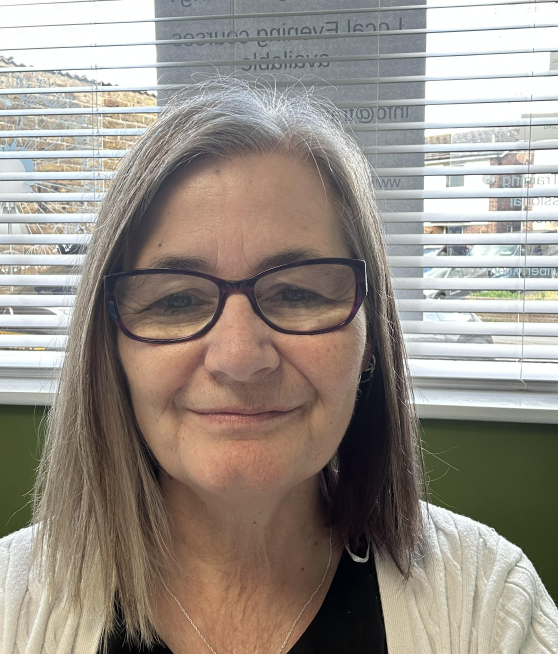
As a late-diagnosed ADHDer (AUpdHD, really) and a therapist, I know how important this stage is for emotional wellbeing. If you’re anything like me, you’ve spent years feeling like a square peg in a world built entirely for round pegs. You may have blamed yourself for not fitting. But you deserve a square world where you can truly thrive. I promise that exists.
Understanding myself through this new lens has given me compassion, acceptance and most importantly, relief. I don’t walk around feeling broken 24/7 anymore. I have moments of peace, real self-kindness and it’s transformed my relationships and my work as a therapist and teacher.
I also know therapy is often the first thing many women try before being diagnosed… and many walk away believing “therapy didn’t work.” Often that’s because they were given therapy for anxiety or depression, not therapy that supports a neurodivergent mind. So let me help you understand what does work, what to look for and how to find someone who can genuinely support you.
What isn’t helpful
You don’t need behavioural therapy.
CBT is the go-to on the NHS because it’s measurable and short-term, great for accountants, not always great for ADHD. Your behaviours aren’t the problem. The real challenge is how you feel about yourself: in the world, in relationships, in comparison to everyone around you.
What is helpful
Look for someone who will sit with you safely and explore who you are through this new ADHD (or AUDHD) perspective.
In Humanistic therapy we say:
Self-exploration leads to self-acceptance, and self-acceptance leads to self-change.
So look for a therapist who is:
Person-centred
Humanistic
Client-led
Neuroaffirming
Exploration is the magic. Once you’ve explored and accepted yourself, an ADHD coach can absolutely help with the practical changes — but the emotional journey is gentler and safer with a trained counsellor.
How to find the right therapist
A crucial thing to know: “Counsellor” is not a protected title.
Anyone can call themselves one. So make sure the therapist you choose has:
A recognised qualification (minimum Level 4)
Professional indemnity insurance
Membership of an ethical body such as NCPS, UKCP or BACP
If that feels overwhelming, good news: some directories check all this for you.
Try:
Both verify therapists before listing them.
In-person or online?
If you can, face-to-face often works best for ADHD because movement and environment play a part in emotional regulation. But if online feels safer, easier or more accessible take it. Therapy in any form is the goal.
Choosing one
Find a few whose profiles “feel right.” Trust your gut, it’s usually spot on. Then reach out in whichever way feels doable. If calling feels too much, text or WhatsApp. Many therapists (me included) respond between clients, whereas emails sometimes get lost.
Speak to a couple before deciding… or don’t. Therapists are like shoes, as my daughter says. If a shoe doesn’t fit, you don’t blame the shoe or your foot, you just try another. Same with therapy.
And yes, some therapists take ages to reply. Give them a day or two, then move on to the next shoe. Don’t blame your foot.
In summary
Explore Counselling Directory or Psychology Today
Shortlist a couple who feel right
Reach out and have a chat
Go with your gut
You deserve to explore who you are, accept who you are, and then make the changes that help you flourish — often with support from both a therapist and an ADHD coach.
You deserve to be happy. And discovering how your square world can work for you is a beautiful place to start.
Catherine Drewer
Director of Liberty Talking Therapy